

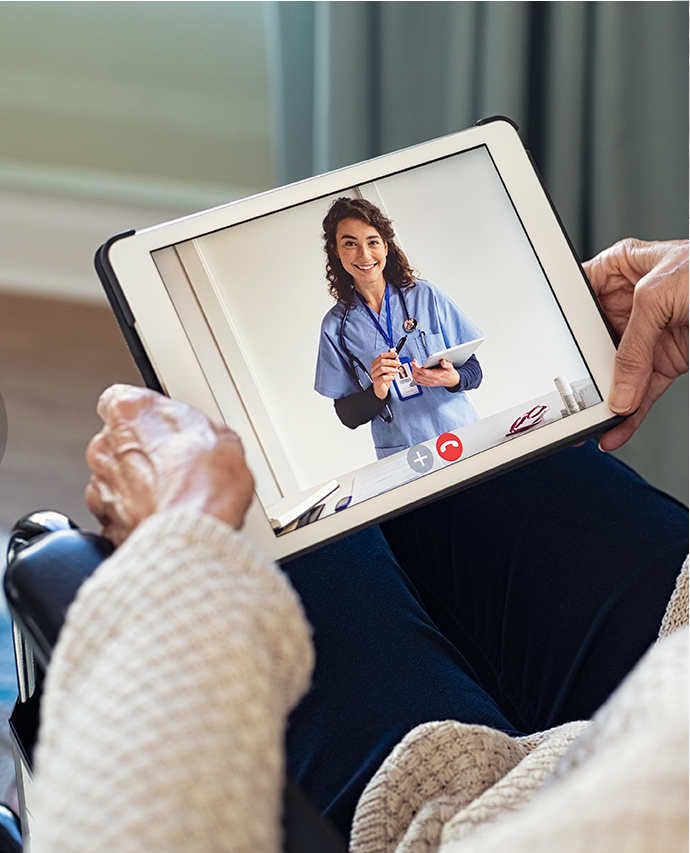
What is Telehealth
Telehealth is defined as the use of electronic information and telecommunication technologies to deliver and facilitate distance clinical health care, patient and professional health-related education, public health, and health administration.
The term telehealth is often interchanged with telemedicine, which is different because telemedicine typically refers directly to remote clinical services. Telehealth is defined as the use of electronic information and telecommunication technologies to deliver and facilitate distance clinical health care, patient and professional health-related education, public health, and health administration.
Read more information on different terminology problems and its impact on mental health professions.
Telehealth is used throughout the world to connect patients, providers, public health professionals, students, and others with accessibility or mobility challenges. The use and research of telehealth goes back to the 1950s.Telehealth can reduce these barriers to care in rural areas and provide communities with limited access to specialists such as mental health professionals, cardiologists, dentists and other health care providers who may require extended commute time. For example, the CDC is supporting telehealth projects across the country to give rural residents better access to chronic disease prevention, management programs and specialist care, including:
While Telehealth is not intended to replace in-person visits, it is highly effective in providing access to care and access to specialists, especially in rural areas. The benefits of having a Telehealth program are unparalleled, particularly during the COVID-19 pandemic for both the patient and provider.
In addition, when it comes to the benefits of telehealth for healthcare providers, Harvard Health Publishing, Harvard Medical School, highlighted three:
Convenience
Increasingly busy schedules, lack of transportation for some, and comfort in using technology have paved the way for both physicians and patients to use telehealth services from the comfort of their home and/or office. Telehealth has facilitated ease of access to doctors and specialists with some networks even offering round-the-clock access.
Cost Savings
Reduced costs for patients and medical overhead: Telehealth appointments and interactions cost comparatively less than in-person visits to clinics/hospitals. For example, with Telehealth, unnecessary admissions and re-admissions are reduced with the help of remote consultations and monitoring.
The Ability to Provide Health Care Services to People in Rural Areas
A virtual health care service is a beneficial way to help people in rural areas. Using telehealth removes the distance or accessibility barrier of patients who are far from hospitals and other medical facilities.
Harvard Health Publlshlng. Harvard Medical School (2020)Telehealth: The advantages and disadvantages
Retrieved from: https://www.health.harvard.edu/staying-healthy/telehealth-the-advantages-and-disadvantages
The CDC also believes that the service is effective for counseling and communication between health practitioners and patients. Monitoring patients’ conditions is easier as well, helping people improve their quality of life and it has been shown to minimize hospital admissions.
Many challenges have been reduced from innovations during Covid-19 pandemic
Telehealth offers a wide array of benefits as well as a convenient option to see providers, but it does have a few challenges worth highlighting. Health care experts discussed the common issues for telehealth that medical professionals must face. Most of these will be addressed in subsequent sections. Here are the most common challenges:
Ignorance:
provider and patient
(of options, benefits)
and reluctance to change.
Regulations/
Reimbursements
Licensing barriers
Technology
(NCBI. Board on Health Care Services.
Institute of Medicine;
November 20. 2012)
Terminology issues
Language:
very few software platforms
have language capabilities
other than English.
Regulations are at several levels: Federal – Security – HIPAA – Medicaid and Medicare reimbursement
Each state has different regulations about providing telehealth services and each profession in each state may have different regulations. North Carolina’s Medical Board states, “The Board cautions, however, that licensees providing care to North Carolina patients via telemedicine will be held to the same established standard of care as those practicing in traditional in-person medical settings. The Board does not endorse a separate standard of care for telemedicine. Licensees, who fail to conform to the North Carolina statewide standard of care, may be subject to discipline by this Board.” https://www.ncmedboard.org/resources-information/professional-resources/laws-rules-position-statements/position-statements/telemedicine
In addition, the North Carolina Medical Board provides guidance on:
Reimbursement for Telehealth services continues to be a challenge in regard to parity as each state and insurer has different rules and regulations.
State regulations play an important role in the competition among health practitioners providing telehealth services. Solo virtual health providers sometimes resist finding solutions to barriers for licenses because they don’t want competitors outside of their state; however, competition is always there.
An important consideration is that multistate practices allow patients the opportunity to choose the service they want which may significantly help in patient health outcomes. As for providers, this can add to the issue of competition, but for those willing to embrace a telehealth platform, it creates opportunities to expand their practice.
This can be challenging to both providers and patients. To overcome reticence in digital adoption, training should be utilized whenever possible.
In spite of the challenges, interest and implementation of telehealth services has expanded rapidly as policymakers, insurers, and healthcare systems have looked for alternative ways to deliver care to patients and to make services more widely accessible.
The methods and technologies that integrate well with the various health plans will survive, and practices like telehealth will only expand health care in the long term (Health Stream, 2021). Providers will need to make small adjustments to adapt telehealth to their specific use-case, patient-base, and workflows; however, identifying telehealth challenges will help to set proper expectations on what is needed to overcome any issues in providing this service


